Museum Moment: 1948 Campaign ARTifact | October 31, 2023
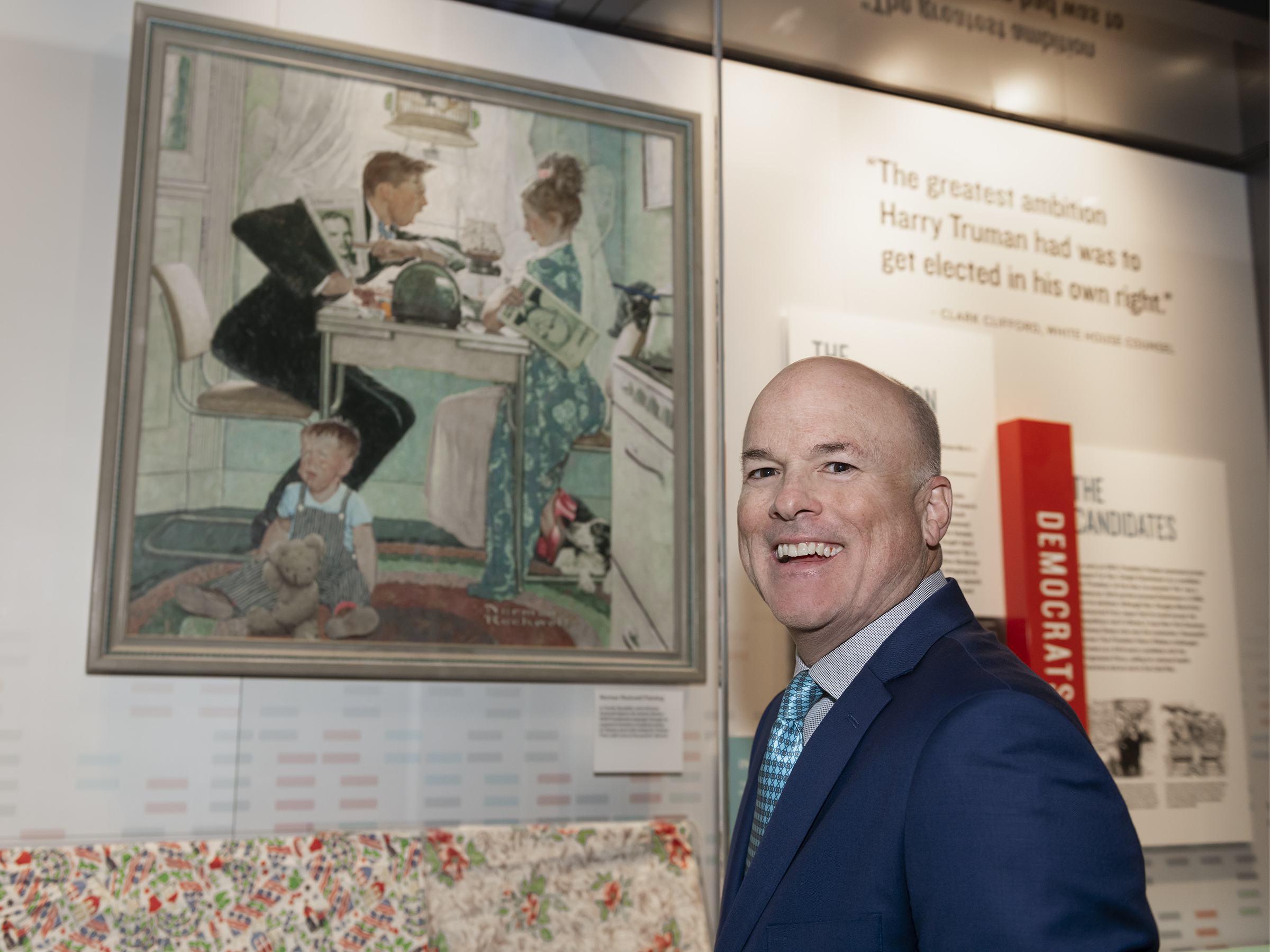
Alex Burden, executive director of the Truman Library Institute, shares his favorite piece of art on display at the Harry S. Truman Presidential Library & Museum.
Truman and the Birth of Israel | May 14, 2023
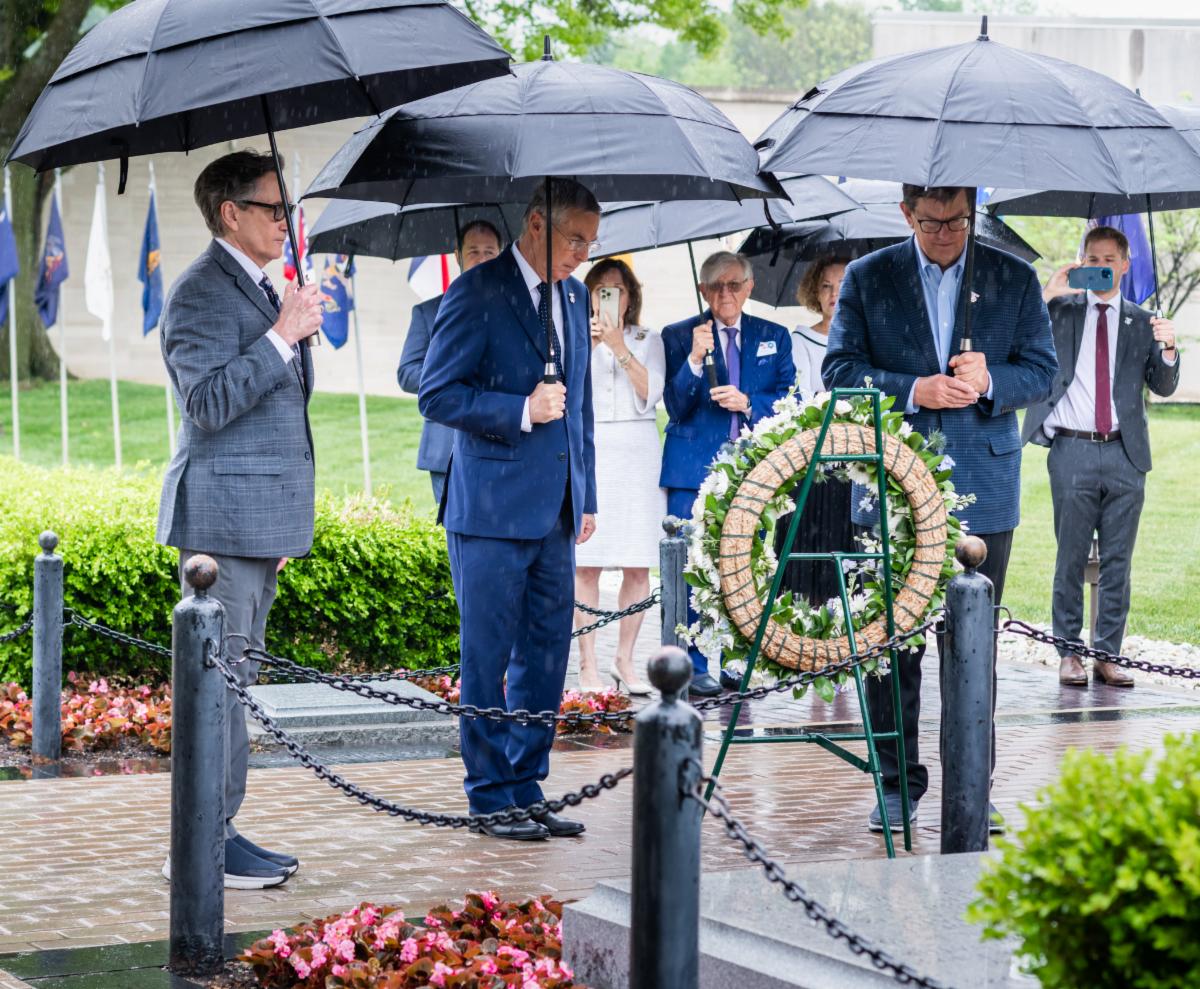
On May 11, 2023, The Honorable Michael Herzog, Israel ambassador to the U.S., visited the Harry S. Truman Presidential Library & Museum, to commemorate the 75th anniversary of President Truman’s politically courageous decision to recognize the nascent state of Israel. A transcript of his remarks follows. Watch the recorded program, in its entirety, on YouTube. Read More
First Family Stories: The Recognition of Israel | May 14, 2023
First Family Stories
By Clifton Truman Daniel
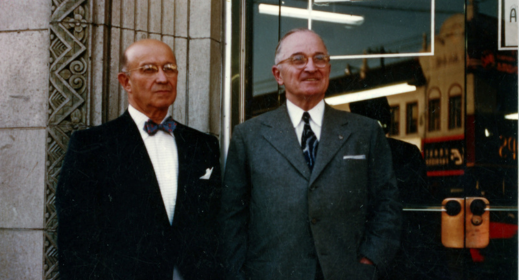
Seventy-five years ago today, on May 14, 1948, President Harry S. Truman made one of the most momentous decisions of his presidency: recognizing the new state of Israel just minutes after its founding. My grandfather is justly celebrated for providing the legitimacy this nascent democracy required to survive, but his WWI buddy and former business partner, Eddie Jacobson, deserves credit, as well. This installment of “First Family Stories” is dedicated to a friendship that changed the world.
Wild About Harry Raises More than $1 Million for President Truman’s “Classroom for Democracy” | April 21, 2023
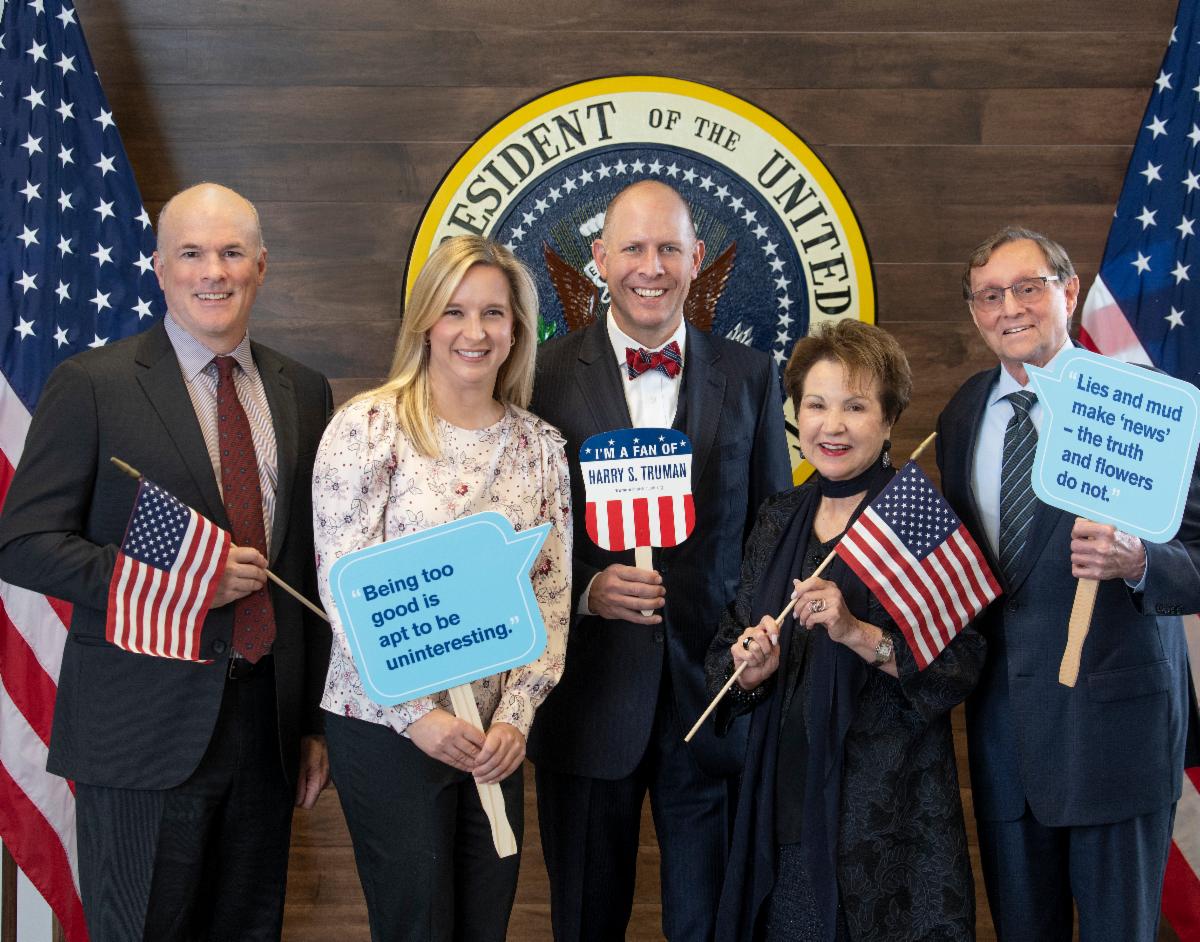
Pictured: Executive Director Alex Burden, Event Chairs Leigh and Tyler Nottberg, Honorary Chairs Ursula Terrasi and Jim Miller
The 24th annual benefit for Harry S. Truman’s presidential library and legacy made history as it smashed all former attendance and fundraising records. In an effort that rivaled the enthusiasm, passion and energy of Truman’s 1948 Whistle Stop Campaign, WILD ABOUT HARRY raised more than $1 MILLION for civics and history programs at the Truman Library. The April 20 event at Kansas City’s historic Muehlebach Hotel – President Truman’s hometown political HQ – attracted nearly 1,000 attendees, as well as the single largest gift in the event’s history, generously donated by 2023 WILD ABOUT HARRY title sponsor, CPKC.
If you have not yet made a gift in support of this important cause, it’s not too late to add your name to the donor honor roll, which will be published in the next issue of TRU Magazine.
First Family Stories: Babysitter in Chief | March 31, 2023
First Family Stories
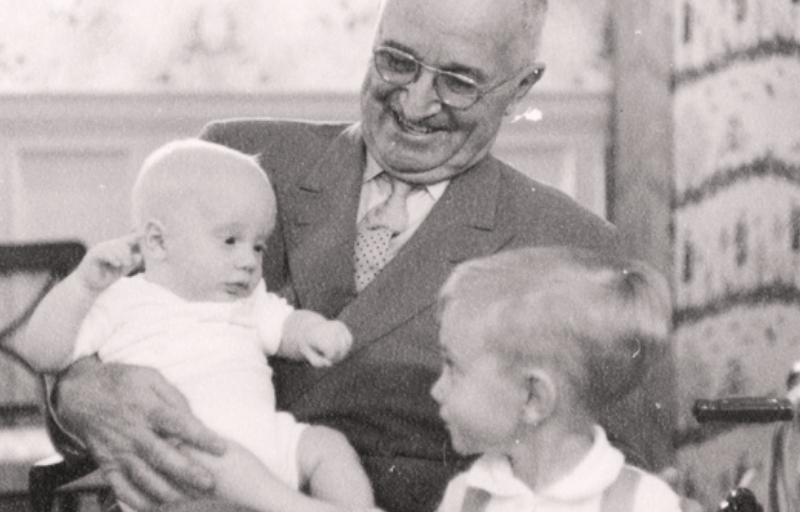
By Clifton Truman Daniel
“First Family Stories” is a serial memoir exploring the history, humanity and humor of being part of one of America’s First Families. Clifton Truman Daniel is the eldest grandson of Bess and Harry Truman.
Black History Month in the Museum Store | February 28, 2023
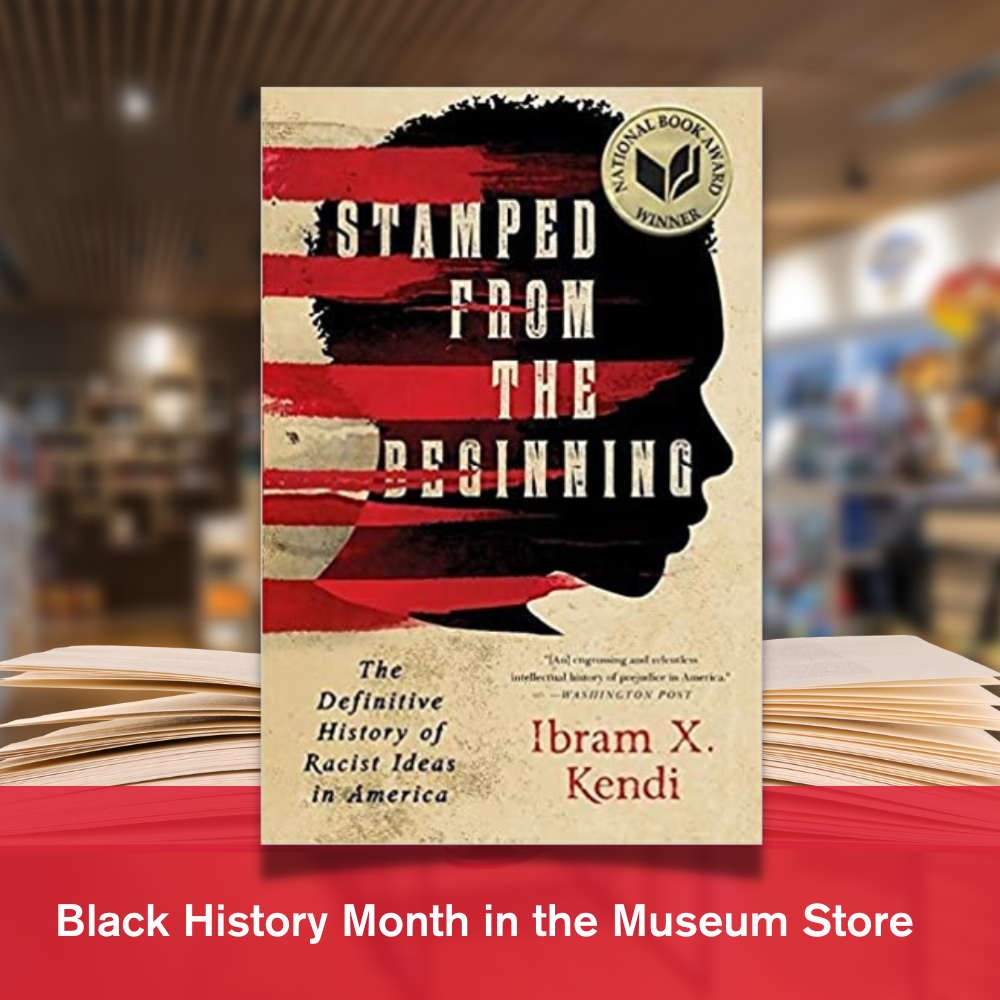
BECAUSE A MONTH JUST ISN’T ENOUGH
February 2023 is both Black History Month and National Library Lovers Month!
Stop by the Harry S. Truman Presidential Library & Museum to pick up these must-have and award-winning histories, as well as unique gifts, presidential apparel and more. Open during Museum hours, there is no admission charge to browse the beautiful Buck Stops Here Shop. Members save 10% on all purchases; to receive your member discount for online purchases, please order by phone at 816.268.8267.
First Family Stories: The Politics of Hair | February 13, 2023
First Family Stories
By Clifton Truman Daniel
“First Family Stories” is a serial memoir exploring the history, humanity and humor of being part of one of America’s First Families. Clifton Truman Daniel is the eldest grandson of Bess and Harry Truman.
This Day In History | February 2, 2023
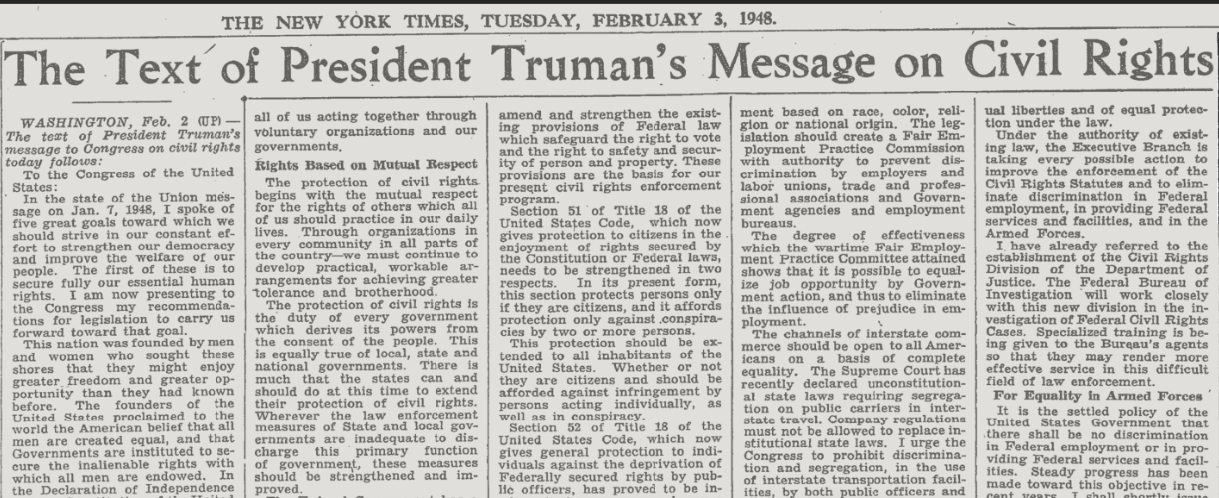
February 2, 1948 | Special Message to Congress on Civil Rights
On February 2, 1948, Harry S. Truman delivered a “Special Message to Congress on Civil Rights.” In the 3,095-word address, President Truman called for anti-lynching legislation, fair housing oversight, greater protection of the right to vote, an end to discrimination in the federal workforce, and the abolition of Jim Crow practices in the U.S. Armed Forces.
First Family Stories: Grandpa and LBJ | January 22, 2023
First Family Stories
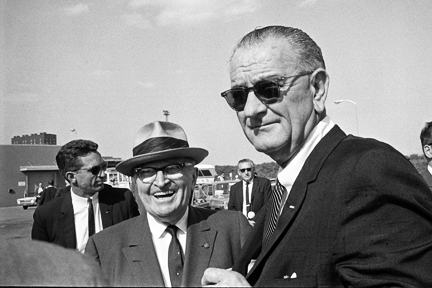
By Clifton Truman Daniel
“First Family Stories” is a serial memoir exploring the history, humanity and humor of being part of one of America’s First Families. Clifton Truman Daniel is the eldest grandson of Bess and Harry Truman.
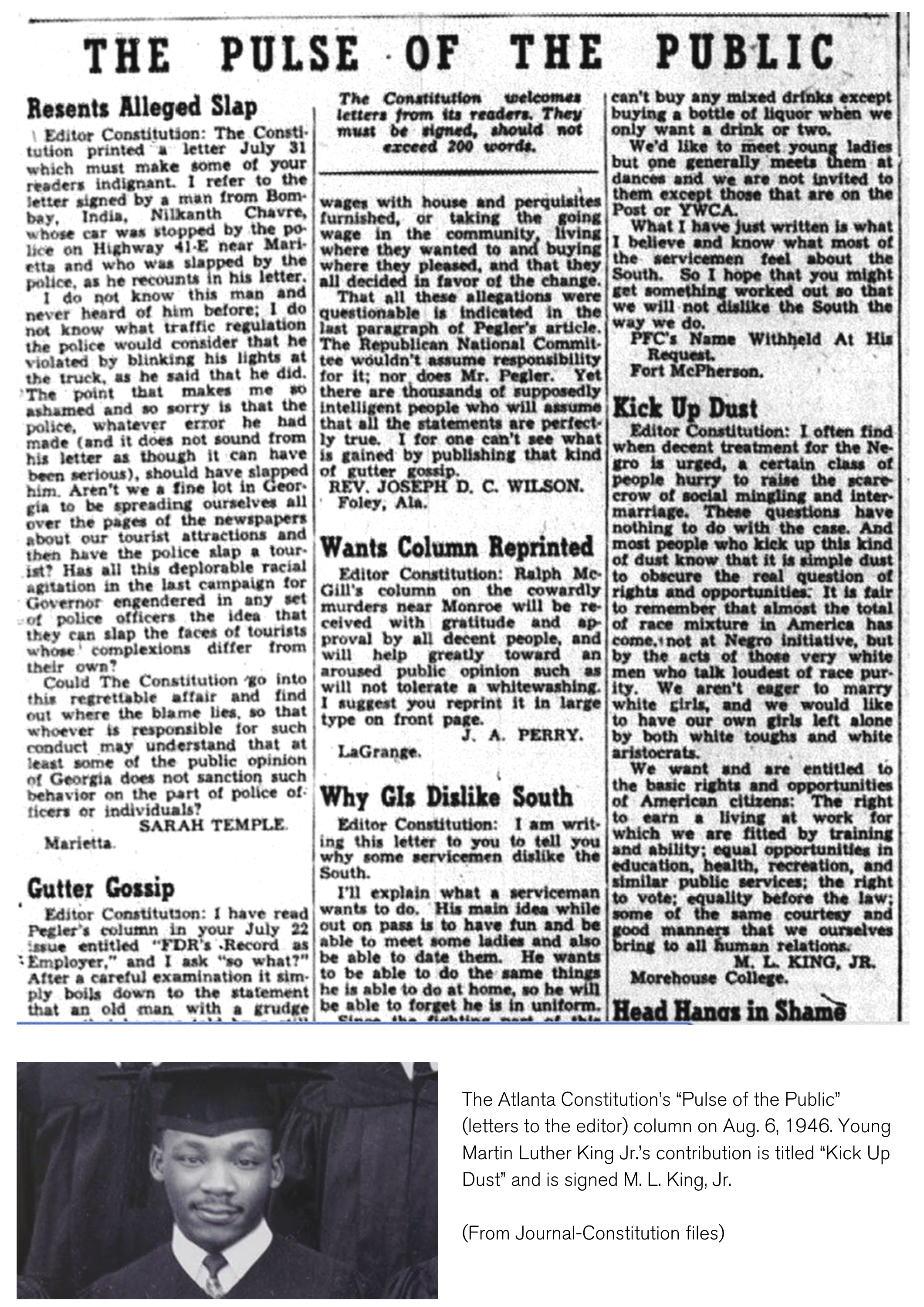
“Kick Up Dust” by M. L. King, Jr. | January 15, 2023